Imperfect Credit? You Hold The Key to Your Homeownership Dreams!
Struggling with credit issues? Don't let that stand between you and your dream home. Discover expert strategies to navigate hurdles and secure your mortgage.
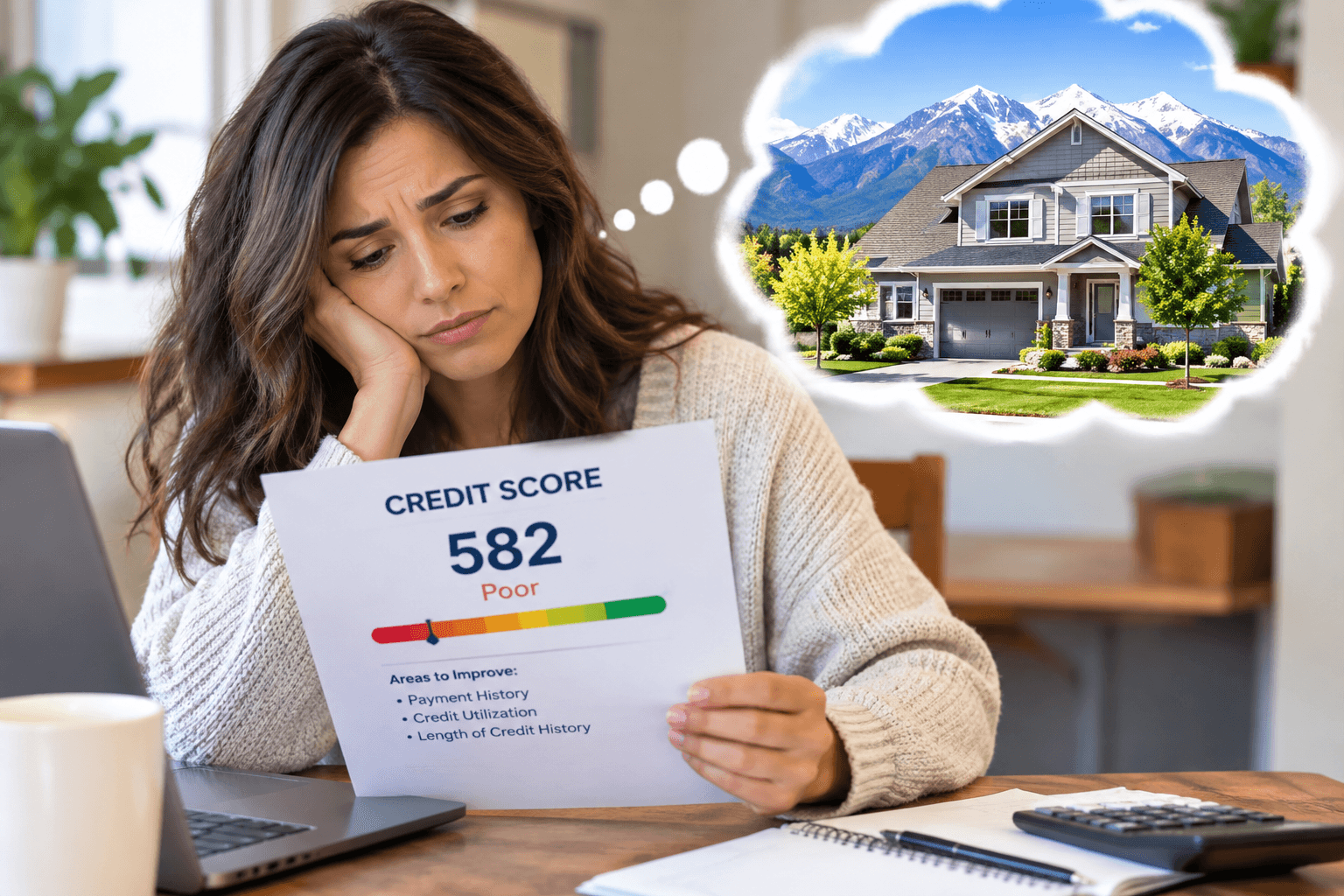
Owning a home is a dream many of us share, but for those with imperfect credit, it can feel like a distant fantasy. The good news is that having less-than-perfect credit doesn't mean that homeownership is out of reach. In fact, it can be the perfect opportunity to take control of your financial future and build a place you can truly call your own.
Understanding credit can sometimes feel overwhelming. It’s a number that reflects your financial history, indicating how well you've managed your debts and payments. While a higher credit score opens many doors, it’s essential to know that it’s not the only factor that lenders consider. Your credit report has details about your payment history, credit utilization, and more. Even if your score isn't as high as you'd like, there are still paths to homeownership.
First, it’s important to understand why imperfect credit occurs. Life can throw unexpected challenges our way—medical emergencies, job losses, or other financial setbacks can impact your credit. It’s a common story, and you're not alone. Many potential homeowners find themselves in similar situations. Rather than viewing imperfect credit as a barrier, think of it as a starting point for improvement.
Start by reviewing your credit report. You can request your report for free from the major credit bureaus. Look for any inaccuracies or outdated information that may be dragging down your score. If you find errors, dispute them right away. Correcting mistakes can give your credit score a quick boost.
Next, focus on addressing any existing debt. This doesn’t mean you need to pay everything off at once. Instead, create a manageable plan. Consider making larger payments on debts with higher interest rates first. This method, known as the avalanche approach, can save you money in the long run. On the other hand, if you prefer a quick win, you might choose to pay off smaller debts first to see progress swiftly—this is known as the snowball method. Find what works best for you and stick to it.
Another step is ensuring you pay all your bills on time. Late payments can significantly affect your credit score. Set up reminders or automate payments if possible. Having a clean slate of on-time payments adds a positive element to your credit history.
Building positive credit is also crucial. If you don't have a credit card or loan, consider applying for a secured credit card or a credit-builder loan. These options allow you to establish a positive payment history without taking on too much risk. Just remember, using credit cards responsibly means keeping your balance low relative to your limit and paying it off each month.
When it comes to mortgages, there are options specifically designed for individuals with imperfect credit. FHA loans, for instance, are backed by the Federal Housing Administration and may be more accessible for buyers with lower credit scores. These loans often require a smaller down payment—sometimes as low as 3.5%—which can significantly decrease the upfront costs of purchasing a home.
Additionally, some lenders may offer programs tailored for first-time buyers or those with imperfect credit. These programs can come with various benefits such as lower interest rates or reduced fees. It’s vital to connect with a knowledgeable loan officer who can guide you through these options tailored to your unique situation.
Don’t hesitate to seek assistance from a mortgage professional. They can provide insights into your specific needs and help you create a roadmap to homeownership. This personalized guidance can make a significant difference in your home-buying journey.
Another key strategy is to save for a larger down payment. While it may take time, having a more substantial down payment can improve your chances of securing a mortgage, even with imperfect credit. A bigger down payment might show lenders that you are committed and financially responsible, thus reducing their risk.
As you move forward, consider the importance of patience and persistence. Improving your credit score and preparing for homeownership takes time. Celebrate your small victories along the way, whether that means paying off a debt or seeing your credit score improve. Each step brings you closer to owning your dream home.
Additionally, think about the possibility of getting a co-signer. If you have a family member or friend willing to support you, having a co-signer can strengthen your application. This person agrees to take on the financial responsibility if you can’t, offering the lender extra assurance. Just remember that this is a serious commitment, so it’s crucial to discuss it thoroughly with anyone considering this option.
Another point to think about is developing a budget that accommodates homeownership expenses. Owning a home comes with ongoing costs like property taxes, insurance, and maintenance. Building a solid financial foundation can make the transition into homeownership much smoother.
Finally, keep your eyes open for educational resources. Many organizations offer workshops or guidance specific to first-time homebuyers, including those with imperfect credit. These resources can provide valuable insights and empower you with knowledge as you embark on this journey.
If you find yourself feeling uncertain or overwhelmed, remember that you don’t have to navigate this process alone. Reach out to a dedicated mortgage loan officer who can walk you through your options and help you take the next steps toward achieving your homeownership dreams. Your perfect home may be closer than you think!